The Best Country Music Stars From Nashville, Ranked


Country music is an American genre rooted in the folk traditions of the rural South and Appalachian highlands, shaped most powerfully by one city: Nashville, Tennessee. Since the Grand Ole Opry first broadcast on WSM radio in 1925, Nashville has been the undisputed capital of country music, producing more chart-topping artists than any other city in the world. In 2026, the genre reaches roughly 45% of the American population, according to a 2023 analysis by The Economist, making it one of the most-listened-to genres in the country.
Nashville has anchored country music since 1925, when the Grand Ole Opry launched on WSM radio and became the genre's longest-running showcase.
The genre traces its commercial origins to 1923, when Fiddlin' John Carson recorded the first country song with vocals for Okeh Records in New York City.
45% of Americans reported listening to country music in 2023, marking a significant resurgence driven in part by artists like Morgan Wallen and Zach Bryan.
Nashville's Country Music Hall of Fame and Museum, which opened on Music Row in 1967 and relocated downtown in 2001, houses more than 2.5 million artifacts documenting the genre's history.
Female artists and African American musicians have shaped Nashville country in ways that mainstream coverage consistently underrepresents, from DeFord Bailey to Dolly Parton to Rhiannon Giddens.
Streaming has fundamentally changed how Nashville country artists break through, with TikTok virality and Spotify playlist placement now rivaling radio airplay as the primary discovery channels in 2026.
Planning a Nashville trip around country music? You are in the right city. The Country Music Hall of Fame and Museum sits about 11 minutes from Underwood Manor, and the Ryman Auditorium, the genre's spiritual home, is roughly 8 minutes away. This guide covers the artists, the history, and the Nashville venues that made it all possible, with practical guidance on where to experience it all when you visit.
Whether you grew up with Hank Williams crackling through an AM radio or you found country music through a Zach Bryan playlist on a late-night drive, the story runs through Nashville. Here is the definitive guide to the artists who built it and the ones carrying it forward in 2026.

Where Did Country Music Actually Begin, and Why Nashville?
Country music refers to a genre of American popular music that developed from the folk, blues, and gospel traditions of the rural South and Appalachian mountains, with its first commercial recordings made in the early 1920s. The genre did not originate in Nashville. Its roots spread across Georgia, Virginia, the Carolinas, and Texas. But Nashville became the genre's gravitational center because of radio infrastructure, industry investment, and geography.
The first commercial country recordings were instrumental: Henry Gilliland and A.C. Robertson recorded "Arkansas Traveler" and "Turkey in the Straw" for Victor Records on June 30, 1922. The first recording with vocals came from Fiddlin' John Carson, who cut "Little Log Cabin in the Lane" for Okeh Records on June 14, 1923. Okeh was a New York City label, not a Southern one. Columbia Records followed in 1924, and RCA Victor Records in 1927. The recording industry was northern; the talent was Southern.
The pivot to Nashville happened gradually. Roy Acuff and songwriter Fred Rose founded Acuff-Rose Publishing Company in Nashville in 1942, the first music publishing house dedicated to country music. That decision anchored the industry infrastructure to the city. The Grand Ole Opry had been broadcasting on WSM since 1925 and drawing audiences across the South and Midwest every weekend. By the 1950s, Nashville's Music Row was home to recording studios, publishing houses, and talent agencies. Artists did not go to Nashville for the scenery. They went because that was where the deals were made.
The U.S. Congress has formally recognized Bristol, Tennessee, just 300 miles northeast of Nashville, as the Birthplace of Country Music, based on the historic Bristol Sessions of August 1927. Producer Ralph Peer recorded the Carter Family and Jimmie Rodgers there in the same week, two artists who would define the genre's first generation. Nashville took what Bristol started and scaled it into a global industry.
Who Are the Pioneer Country Artists Every Nashville Fan Should Know?
The pioneer country artists who shaped Nashville's sound include the Carter Family, Jimmie Rodgers, Hank Williams, and Bill Monroe, each of whom established a distinct strand of the genre that later artists would build on, subvert, or outright rebel against.
The Carter Family recorded at the Bristol Sessions on August 1, 1927, and went on to document approximately 300 old-time ballads, traditional tunes, and gospel hymns over 17 years. A.P. Carter, Sara Carter, and Maybelle Carter turned regional folk music into a national tradition. Maybelle's guitar style, known as the "Carter scratch," influenced virtually every guitarist who followed.
Jimmie Rodgers went in a different direction. His "Blue Yodel" sold over a million records, establishing him as the genre's first solo star. Rodgers blended country fiddle traditions with blues phrasing and yodeling, creating a sound that crossed regional lines. Vernon Dalhart had achieved the genre's first nationwide hit in May 1924 with "Wreck of the Old 97," but Rodgers made the template for the country singing star.
Hank Williams was born in Alabama in 1923 and earned the nickname "the Hillbilly Shakespeare" for lyrics that were direct, emotionally honest, and poetically spare. Songs like "Your Cheatin' Heart" and "I'm So Lonesome I Could Cry" remain standard reference points for what honky-tonk country should sound like. Williams died in 1953 at 29, but his influence on Nashville's creative standard has never really faded.
Bill Monroe invented bluegrass, essentially creating a subgenre within country music by fusing mountain fiddle traditions with jazz-influenced picking and gospel harmonies. His band, the Blue Grass Boys, gave the subgenre its name. Monroe performed at the Grand Ole Opry for decades, and the Ryman Auditorium's acoustic design suited his style perfectly. For a deeper look at how Nashville's honky-tonk strip connects to this musical legacy, the things to do in Nashville guide covers the key venues and landmarks worth visiting on Broadway and beyond.

What Are the Top Nashville-Born Country Artists of All Time?
The top Nashville-based country artists of all time span more than seven decades and multiple subgenres, from honky-tonk to outlaw country to contemporary pop-country crossovers. Ranking them means grappling with different definitions of greatness: commercial impact, critical legacy, songwriting depth, and cultural influence do not always point to the same names.
Here is how the most significant Nashville country artists stack up across those dimensions:
Artist | Era | Signature Sound | Nashville Connection |
Hank Williams | 1940s-1950s | Honky-tonk | Grand Ole Opry regular; recorded at Castle Studio |
Patsy Cline | 1950s-1960s | Nashville Sound | Recorded at Bradley's Barn; Decca Records artist |
Johnny Cash | 1950s-2000s | Outlaw, rockabilly | Recorded at Columbia Studio B, Music Row |
Dolly Parton | 1960s-present | Country pop, Americana | Based in Nashville; Monument Records debut |
Loretta Lynn | 1960s-2010s | Honky-tonk, feminist country | Decca Records; Country Music Hall of Fame inductee |
Willie Nelson | 1960s-present | Outlaw country, Western swing | Nashville songwriter before Austin stardom |
Garth Brooks | 1980s-2010s | Country pop | Capitol Nashville; changed the album sales model |
Taylor Swift | 2000s-present | Country pop, pop | Big Machine Records debut on Nashville's Music Row |
Chris Stapleton | 2010s-present | Country soul, Americana | Nashville songwriter turned solo artist |
Morgan Wallen | 2018-present | Country, country rap | Big Loud Records, Nashville-based |
Dolly Parton deserves particular attention. Her songwriting catalog, including "I Will Always Love You" and "Jolene," places her among the best pure songwriters Nashville has ever produced, regardless of genre. She has remained commercially active for more than six decades, which is a record no other Nashville artist comes close to matching.
Chris Stapleton spent years as one of Nashville's most sought-after behind-the-scenes songwriters before his 2015 solo debut, Traveller, reminded the industry what country music sounds like when it prioritizes feeling over formula. His voice is the most technically commanding in the current Nashville scene, and his willingness to record at 12-gauge volume in a genre increasingly dominated by algorithmic smoothness makes him genuinely important.
Which Female Country Artists Shaped Nashville's Sound?
Female country artists have shaped Nashville's sound from the genre's earliest recordings, though mainstream coverage often reduces their contributions to a handful of names. In April 1924, Samantha Bumgarner and Eva Davis became the first female musicians to record and release country songs, predating the more famous Bristol Sessions by three years. That fact rarely makes it into popular accounts of the genre's history.
Patsy Cline is the most pivotal female voice in Nashville country history. Her recordings at Bradley's Barn with producer Owen Bradley established the Nashville Sound, a polished, orchestra-adjacent production style that pulled country radio toward a broader pop audience. "Crazy," written by Willie Nelson, remains one of the most recorded songs in country history. Cline died in a plane crash in 1963 at 30. The trajectory of her career makes the loss genuinely staggering to consider.
Loretta Lynn arrived in Nashville in 1960 with a direct, unvarnished writing style that addressed topics, including divorce, birth control, and domestic tension, that Nashville had largely avoided. Songs like "Coal Miner's Daughter" and "You Ain't Woman Enough" were not just commercial successes; they expanded what the genre was allowed to say.
Kacey Musgraves represents the most recent evolution of that tradition. Her 2018 album Golden Hour won the Grammy for Album of the Year, making her the first country artist to win that award since Taylor Swift in 2010. Musgraves writes from Nashville but refuses the genre's commercial guardrails, incorporating psychedelic pop production and LGBTQ-inclusive themes that have made her simultaneously beloved and genre-adjacent. Currently, in 2026, her influence on a new generation of Nashville singer-songwriters is visible across every independent venue on Lower Broadway.
Megan Moroney is the name to watch in 2026. Her debut album Lucky landed her on the Spotify Country Top 50 alongside Morgan Wallen and Luke Combs, and her songwriting approach, equal parts traditional honky-tonk sentiment and wry self-awareness, connects with listeners who found contemporary Nashville too polished. She is performing regularly at Nashville venues this year, and catching her at a smaller room before the arenas come calling is genuinely worth the effort.
Who Are the Top Country Artists Right Now in 2026?
The top country artists right now, as measured by Spotify streaming data and the Country Top 50 playlist in 2026, include Morgan Wallen, Zach Bryan, Luke Combs, Chris Stapleton, Ella Langley, Megan Moroney, Riley Green, and Jelly Roll. Each represents a distinct strand of what Nashville-influenced country has become in the streaming era.
Morgan Wallen is the most commercially dominant Nashville country artist of the current era. His 2023 album One Thing at a Time broke records for weekly streams on Spotify, and The Economist directly attributed the 2023 surge in country music's overall listenership to his reach. Wallen's sound blends post-millennial country with hip-hop production textures in a way that traditionalists resist but audiences have embraced completely. Love him or find him overplayed, the numbers are not in dispute.
Zach Bryan is a different proposition. He built his fanbase through YouTube and TikTok before Nashville's major labels paid attention, releasing raw acoustic recordings that circulated organically. His album American Heartbreak, a 34-track record released independently before his Warner Records deal, contains some of the most direct emotional songwriting in contemporary country. The vinyl edition sits on the record player at Underwood Manor for a reason. Guests who put it on at midnight after returning from Broadway tend to keep it running until 2am.
Luke Combs is the artist most likely to earn the "next Garth Brooks" comparison, not because the sounds are similar, but because his ability to write anthemic, singalong hooks that cross demographic lines recalls the kind of broad-tent appeal Brooks had in the 1990s. His cover of Tracy Chapman's "Fast Car" reached number one on the country charts in 2023, making it the first chart-topper by a solo female artist, in the original recording, to reach number one again in a male artist's version.
Jelly Roll is Nashville's most unconventional current star. Born Jason DeFord in Antioch, Tennessee, he spent years recording in the rap and country-rap space before breaking through with "Need a Favor" in 2023. His story, involving a genuine personal redemption narrative and a willingness to discuss his past publicly, has given him an authenticity that Nashville's more image-managed artists struggle to match. He performed at the Grand Ole Opry in 2023, a full-circle moment for a Nashville native who grew up outside the genre's mainstream.

What Role Have African American Artists Played in Nashville Country Music?
African American artists have played a foundational role in Nashville country music, though this contribution is systematically underrepresented in popular coverage of the genre. Country music's roots are inseparable from the African American musical traditions of blues, gospel, and work songs that Appalachian and Southern white musicians absorbed and adapted. The instrumentation, the blue notes, and the call-and-response vocal patterns in early country recordings all trace directly to those sources.
DeFord Bailey was the Grand Ole Opry's first Black star, performing as a regular from 1927 until 1941 when he was abruptly dismissed, a decision the Opry's management later acknowledged was unjust. Bailey's harmonica playing was a defining sound of the early Opry broadcasts, and his "Pan American Blues" was among the most frequently requested numbers on the show. His removal from the program, at a time when the Opry was defining itself as a white Southern institution, reflects a deliberate erasure that the genre has been slow to address.
Darius Rucker became the first Black artist to top the country chart since Charley Pride in 1983 when his single "Don't Think I Don't Think About It" reached number one in 2008. Pride himself was a Nashville original, a Black country singer who achieved mainstream success in the 1960s and 1970s by navigating an industry that was largely indifferent to his presence until his commercial results made indifference untenable. Both men deserve far more prominent placement in Nashville's country music narrative.
Rhiannon Giddens represents the most intellectually rigorous contemporary effort to reclaim African American contributions to the genre's foundations. A classically trained musician and MacArthur Fellowship recipient, Giddens has documented the banjo's West African origins and the Black string band traditions that directly preceded what became country and bluegrass music. Her work is not nostalgia; it is historical correction, and Nashville's music community has recognized it with multiple Grammy wins.
Beyoncé's 2026 album Cowboy Carter brought this conversation to a mass audience. The album debuted at number one on the Billboard country chart, sparked significant debate about the genre's gatekeeping, and sold out country-themed merchandise faster than most Nashville acts manage. Its Nashville connections are more symbolic than geographic, but its cultural impact on what the genre is willing to claim in 2026 is real and ongoing. You can read a broader overview of how country music's sound has transformed over decades in NPR's detailed examination of the genre's evolution.
How Has Streaming Changed Who Breaks Out of Nashville?
Streaming has fundamentally changed the pathway to success for Nashville country artists, shifting power away from radio programmers and label A&R gatekeepers toward audience-driven discovery on Spotify, TikTok, and YouTube. In 2026, an artist can build a six-figure monthly listener base before signing a major label deal, a scenario that was structurally impossible before 2015.
The old Nashville model worked like a filter. Artists moved to Music Row, wrote songs for other acts, built relationships with producers and A&R representatives, signed a deal, released a radio single, waited for airplay, and hoped format gatekeepers approved. That process took years and produced a heavily managed, format-tested sound. The artists who emerged were not necessarily the most talented; they were the most compatible with what 30-something program directors in 150 markets thought their audiences wanted.
Zach Bryan bypassed that system entirely. So did Hailey Whitters, Cody Jinks, and Tyler Childers, each building audiences through grassroots touring and social media before Nashville's infrastructure took them seriously. The streaming era rewards authenticity signals, raw production, personal storytelling, and consistency of output, over the polished single-every-six-months release cadence that major labels prefer.
Spotify's Country Top 50 playlist now functions as a real-time barometer of what is actually resonating. As of 2026, Nashville has approximately 2,078 active Airbnb listings according to AirROI market data, a number that gives a sense of how many visitors the city draws for music-adjacent tourism. Fans visit Nashville specifically to see artists they discovered online, then follow them from Broadway honky-tonks to larger venues. The discovery happens on screens; the money still flows through the city. For visitors planning around live music, the guide to Nashville's 15 best live music venues is the most useful starting point for mapping which venues suit which artists and budgets.
TikTok has been particularly influential for country music. Short clips of emotional lyric moments, acoustic guitar covers, and "truck songs" have generated billions of views for artists who would never have gotten mainstream radio consideration in the pre-streaming era. The platform's algorithm does not care about format compatibility. It responds to engagement, and country music's emotional directness generates engagement reliably.
What Nashville Venues Should Country Music Fans Visit in 2026?
The Nashville country music venues fans should visit in 2026 include the Ryman Auditorium, the Grand Ole Opry House, the Country Music Hall of Fame and Museum, and a half-dozen honky-tonks on Lower Broadway, each offering a different level of formality and a different relationship to the genre's history.
The Ryman Auditorium is the essential stop. Built in 1892 as a gospel tabernacle, the Ryman served as the Grand Ole Opry's home from 1943 to 1974 and remains the most acoustically and architecturally significant music venue in the country. The pew seating and stained-glass windows give every show a chapel-like atmosphere that the newer arenas cannot replicate. Arriving 20 minutes early to walk the floor before the crowd fills in is worth doing. The Ryman sits about 8 minutes from Underwood Manor, making it an easy evening destination without the logistics of parking downtown.
The Grand Ole Opry House in Opryland offers the Opry's current home, a 4,400-seat theater about 18 minutes from Underwood Manor. The show format, with multiple acts performing 2-3 songs each and genuine surprise guests appearing on any given night, is unlike any other concert experience in the country. Book tickets at opry.com at least 2-3 weeks in advance for weekend shows, longer during CMA Fest in June.
The Country Music Hall of Fame and Museum, located about 11 minutes away via the Nearby Attractions data, houses more than 2.5 million artifacts and tells the full arc of the genre from Bristol to Broadway. Budget at least three hours. The rotating exhibitions on specific artists, recent standouts include multi-room retrospectives on Kacey Musgraves and Taylor Swift, are often more compelling than the permanent collection. The museum opened on Music Row in 1967 and moved downtown to its current location in 2001.
On Lower Broadway, the honky-tonk strip requires no ticket and no reservation. Robert's Western World is the most historically grounded of the Broadway bars, with a narrow room, mismatched stools, a stage pushed against the back wall, and country music starting in the early afternoon with no cover charge, ever. It is the anti-tourist tourist stop: genuinely beloved by Nashville musicians and visitors alike, despite being on the most-photographed block in the city. Skip the multi-story party bars unless your group is specifically there for the rooftop experience; the ground-floor honky-tonks are where the music actually lives.
For groups staying at Underwood Manor, the Broadway strip is roughly a 9-minute Uber ride, typically $8-12 each way. Having a private backyard with a 7-person hot tub and a speakeasy game room with an 8-foot pool table waiting at the end of the night makes the not-walking-distance tradeoff an easy one. The Nashville bachelorette party guide has a detailed breakdown of how to structure a Broadway evening for a group, including which bars work best for large parties and which to skip on a Friday night.
What Are the Top Country Songs of All Time From Nashville Artists?
The top country songs of all time, as measured by cultural impact, longevity, and influence on the genre, include recordings that span seven decades of Nashville history. No single ranking system captures all dimensions of greatness, but the songs below appear consistently across critical assessments, industry polls, and streaming data.
"I'm So Lonesome I Could Cry" by Hank Williams (1949): Bob Dylan called it the most lonesome song he had ever heard. Three minutes of the genre at its emotional peak, recorded in Nashville in a single take.
"I Fall to Pieces" by Patsy Cline (1961): The recording that defined the Nashville Sound production model, polished strings, background vocals, and a voice that needed no ornamentation.
"Ring of Fire" by Johnny Cash (1963): Co-written by June Carter Cash and Merle Kilgore, the mariachi-style horns were Cash's idea and his producer's reluctant compromise. It became his signature.
"Jolene" by Dolly Parton (1973): Recorded at RCA Studio B on Music Row. Parton wrote it after noticing a red-haired bank teller flirting with her husband. One of the most covered songs in country history.
"Friends in Low Places" by Garth Brooks (1990): The song that sold country to an entire generation of listeners who had not previously identified with the genre.
"Whiskey in a Jar" notwithstanding, "Tennessee Whiskey" by Chris Stapleton (2015): A cover of David Allan Coe's original, rearranged by Stapleton into a gospel-soul country anthem that introduced a new generation to what the genre sounds like at full power.
"Wasted on You" by Morgan Wallen (2021): One of the most-streamed country songs of the decade, capturing the current Nashville sound's blend of traditional lyric themes with contemporary production.
The Library of Congress country music collection provides additional historical context on how these recordings fit into the broader arc of American popular music, and it is genuinely worth the read if you want more depth than most Wikipedia summaries provide.
Is Dylan Scott a Country Artist?
Dylan Scott is a country artist, specifically a mainstream Nashville country singer-songwriter signed to Curb Records, best known for his 2016 hit "My Girl," which reached number one on the Billboard Country Airplay chart. Scott was born in Bastrop, Louisiana, and moved to Nashville to pursue a recording career, following the traditional path of relocating to Music Row for label access and industry connections.
His sound sits firmly within the contemporary mainstream country lane: melodic mid-tempo ballads with pop production polish and relationship-focused lyrics. He is not an outlier or a crossover case; he is a straightforward Nashville country artist whose commercial success has been built almost entirely through traditional country radio. If you have heard "Nothing to Do Town" or "Can't Have Mine" on country radio in the past five years, you have heard Dylan Scott's approach to the format.
Scott tends to get asked about this because his production style is sometimes smoother than listeners associate with the rawer "real country" sound that has resurged through artists like Chris Stapleton and Tyler Childers. But polished production has been a Nashville country feature since Owen Bradley and Patsy Cline in the early 1960s. Curb Records, his Nashville label, has been a country industry institution for decades. Scott is entirely within the genre's mainstream tradition.
Practical Guide: How to Experience Nashville Country Music as a Visitor
Experiencing Nashville country music as a visitor requires some planning to avoid the traps that first-timers fall into: paying cover charges at tourist-facing bars when the best music is free elsewhere, missing the Ryman because tickets sold out, or spending the whole weekend on Broadway without seeing any of the neighborhood venues that locals actually prefer.
Book Ryman and Grand Ole Opry Tickets Early
Both venues sell out regularly, particularly on weekend nights and during CMA Fest, which typically runs in June. The Grand Ole Opry sells tickets at opry.com and typically opens sales 6-8 weeks in advance for standard shows. CMA Fest tickets, managed through the official CMA Fest website, require significantly longer lead times, often 3-4 months for stadium passes. Do not show up and hope for day-of availability during peak season.
Understand the Broadway Bar Structure
Lower Broadway's honky-tonks are free to enter at street level, with live music running most of the day. The multi-story venues (like Honky Tonk Central, about 12 minutes from Underwood Manor) charge cover for upper floors. Robert's Western World and Layla's Bluegrass Inn have no cover on any floor. If your group is budget-conscious, anchor your Broadway evening at the free-entry spots and save the cover-charge venues for when you want a different atmosphere.
Visit Music Row and the Hall of Fame
Most tourists skip Music Row, which is a mistake. The stretch of 16th and 17th Avenues South is still home to recording studios, publishing companies, and the physical infrastructure of the Nashville music industry. You cannot get inside most of it, but walking the block gives you a sense of the geography that produced country music's most important recordings. The Country Music Hall of Fame, about 11 minutes from Underwood Manor, is worth at least half a day and should not be rushed.
Budget Realistically
A realistic budget for a Nashville country music weekend for a group of 8-10 includes: accommodations ($150-350 per night depending on property and season), Uber costs to Broadway and back ($8-12 each way per ride), dinner at a Broadway-adjacent restaurant ($25-45 per person), drinks on Broadway ($8-14 per round), and event tickets ($35-95 per person for Ryman or Opry shows). Nashville's visitor spending averages $677 per visitor per trip, according to Tourism Economics data cited by the Nashville Convention and Visitors Corp, which aligns with what a group weekend typically costs when you add it up honestly.
Frequently Asked Questions About Country Music and Nashville
What are the top 10 country songs ever?
The top 10 country songs of all time, across critical and commercial measures, typically include Hank Williams' "I'm So Lonesome I Could Cry" (1949), Patsy Cline's "I Fall to Pieces" (1961), Johnny Cash's "Ring of Fire" (1963), Dolly Parton's "Jolene" (1973), and Garth Brooks' "Friends in Low Places" (1990). More recent entries include Chris Stapleton's "Tennessee Whiskey" (2015) and Morgan Wallen's "Wasted on You" (2021). Lists vary depending on whether the ranking weights cultural impact, songwriting quality, or streaming numbers. The Country Music Hall of Fame in Nashville, which opened in 1967, maintains the most authoritative physical record of the genre's defining works.
Who are the top 10 country artists working right now?
The top 10 country artists as of 2026, based on Spotify Country Top 50 data and Billboard chart performance, include Morgan Wallen, Zach Bryan, Luke Combs, Chris Stapleton, Ella Langley, Megan Moroney, Riley Green, Jelly Roll, Kacey Musgraves, and Tyler Childers. Each represents a distinct production style, from Wallen's country-rap blends to Stapleton's gospel-influenced soul country to Childers' Appalachian folk approach. Nashville serves as the commercial and creative hub for most of these artists, even when their sounds push against the mainstream country format.
What are the top country songs right now in 2026?
The top country songs in 2026, per Spotify's dynamically updated Country Top 50 playlist, regularly feature tracks from Morgan Wallen, Zach Bryan, Luke Combs, and Megan Moroney. Ella Langley has been a consistent playlist presence in 2026 with her crossover-friendly sound. The playlist updates weekly, so real-time rankings shift, but the artists above have dominated the top 20 positions throughout the year. For fans visiting Nashville, hearing these songs live at a Broadway honky-tonk or at the Grand Ole Opry is a fundamentally different experience than streaming them on a playlist.
When did Nashville become the capital of country music?
Nashville became the recognized capital of country music through a combination of developments in the 1940s and 1950s. Roy Acuff and Fred Rose founded Acuff-Rose Publishing Company there in 1942, the first publishing house dedicated to country music. The Grand Ole Opry had been broadcasting on WSM radio from Nashville since 1925. By the mid-1950s, Music Row had developed as a dedicated commercial district for country recording and publishing, cementing Nashville's role as the industry's organizational center. The Country Music Hall of Fame and Museum, which opened on Music Row in 1967, formalized the city's institutional authority over the genre.
How far is Underwood Manor from Nashville's country music landmarks?
Underwood Manor is approximately 8 minutes from the Ryman Auditorium, 11 minutes from the Country Music Hall of Fame and Museum, and 9 minutes from Lower Broadway's honky-tonk district. The Grand Ole Opry House in Opryland is about 18 minutes away. These distances make Underwood Manor a practical base for a country music-focused Nashville visit, close enough for easy Uber access but far enough from downtown to offer a private backyard, 7-person hot tub, and quiet after a night out on Broadway. The driveway accommodates 2 cars, with street parking also available nearby.
What is the best time of year to visit Nashville for country music?
June is the best month for country music fans visiting Nashville, primarily because CMA Fest, the genre's largest annual fan event, typically takes place at Nissan Stadium during that month. However, June is also Nashville's peak tourist season, with accommodations booking out months in advance. October is Nashville's highest-revenue month for short-term rentals, per AirROI 2026 data, suggesting strong fall demand for music-focused visits when the weather is cooler. For fans who want to see multiple Nashville venues without festival crowds, March and November offer good weather, available accommodations, and a full slate of Ryman and Opry programming.
Does Underwood Manor have anything for country music fans specifically?
Underwood Manor includes several features specifically oriented toward country music fans. The living room vinyl record player comes stocked with Zach Bryan's American Heartbreak and a country greatest hits album. The speakeasy game room features a "Blame It on My Roots, I Showed Up in Boots" neon sign and a Tennessee Whiskey lyrics neon sign on the staircase, both popular photo spots for guests. The property is about 8 minutes from the Ryman Auditorium and 11 minutes from the Country Music Hall of Fame. Groups booking directly at underwoodmanor.com/book skip third-party platform fees, which can be significant for multi-night stays.
Nashville Remains Country Music's Center, and That Is Not Changing
Country music is more popular in 2026 than it has been in decades, driven by artists who built their audiences outside the traditional Nashville system and then came to the city to scale. The genre has roots in Bristol and the Appalachian mountains, but it has been shaped, polished, rebelled against, and reinvented on Nashville's Music Row for a century. From Hank Williams recording at Castle Studio to Zach Bryan headlining Nissan Stadium, the geography keeps pointing back to the same city.
The artists worth your attention are not all in the mainstream. Female songwriters from Loretta Lynn to Megan Moroney have pushed the genre's emotional range consistently. African American artists from DeFord Bailey to Jelly Roll have contributed foundational elements that the genre's popular history has often failed to credit. And the streaming era has opened the pipeline enough that 2026 brings genuinely new voices into Nashville's orbit every season.
If you are planning a Nashville visit built around country music, start with the Ryman, walk Broadway's honky-tonk strip on a weeknight when the crowds are manageable, and spend real time at the Country Music Hall of Fame. The Nashville things to do guide covers the full landscape of venues, neighborhoods, and logistics for a group visit. For trip planning timing, the month-by-month Nashville visitor guide is the most useful resource for understanding when to come and what to expect when you do.
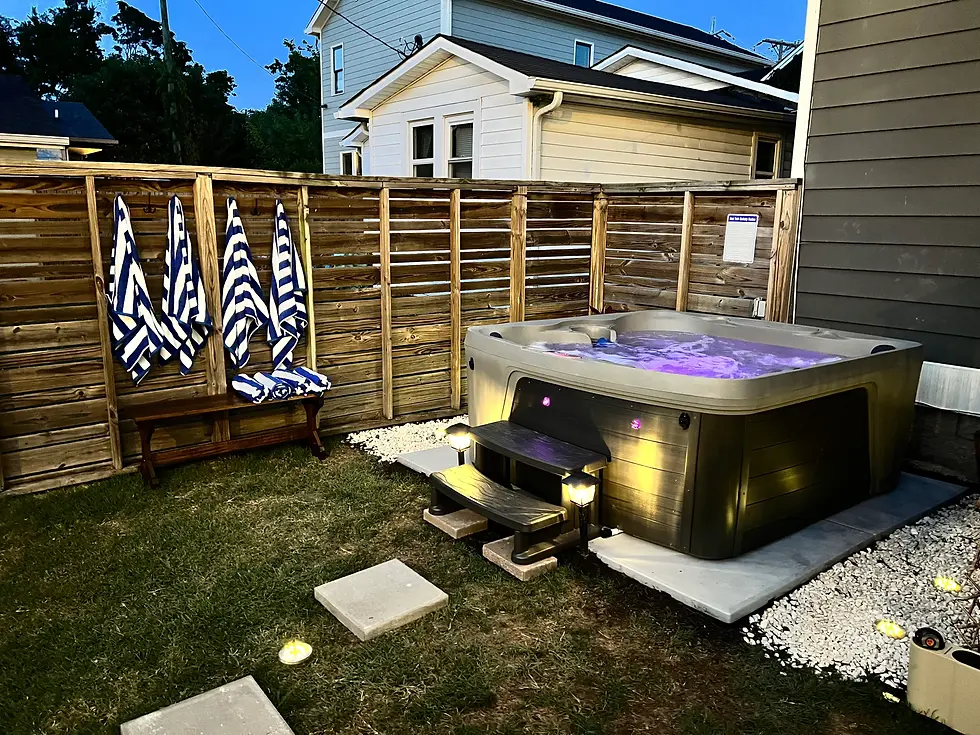
If you are planning a country music-focused trip to Nashville, Underwood Manor puts you 8 minutes from the Ryman Auditorium and 11 minutes from the Country Music Hall of Fame. The living room record player comes loaded with Zach Bryan and country classics, and the speakeasy game room's "Blame It on My Roots" neon sign has been in more bachelorette Instagram posts than we can count. Check availability at Underwood Manor before your dates fill up, especially if you are visiting during CMA Fest or a fall weekend.


Comments