Best Time to Go to Nashville 2026: Myths vs Reality


The best time to go to Nashville 2026 is April through early June or mid-September through October, when daytime highs sit in the mid-60s to mid-70s and hotel rates run below the June-through-August peak. Beyond that simple answer, most of what circulates online about "when to visit Nashville" contains at least one outdated or overstated claim, and this guide corrects them one by one.
Key Takeaways
April-May and September-October offer the most reliable combination of comfortable weather (60s-70s°F) and manageable crowds, according to seasonal weather patterns tracked by regional tourism data.
Nashville's short-term rental market averaged 54% occupancy and a $362.30 average daily rate in 2026, per AirDNA, meaning "empty city" myths about off-peak months are exaggerated.
CMA Fest runs June 4-7, 2026, and the NASCAR Cracker Barrel 400 race weekend falls May 29-31, 2026, both of which spike downtown lodging demand well beyond typical shoulder-season rates.
January and February bring the lowest hotel rates of the year, but "cheapest" does not mean "empty," especially around New Year's Eve weekend.
Nashville welcomed 17.39 million visitors in 2026, a 2.7% increase over 2026, according to Visit Music City, and the Nashville Metro Tourism and Convention Commission projects 17.8 million visitors in 2026.
Staying in a private vacation rental like Underwood Manor, five minutes from downtown, sidesteps a lot of the seasonal hassle that hotel-only guides don't address.
If you've searched "best time to go to Nashville 2026," you've probably hit a wall of near-identical articles repeating the same spring-and-fall advice without explaining why, or worse, spreading a few myths that could cost you money or leave you standing in a line you didn't need to stand in. Nashville's tourism numbers keep climbing (Visit Music City reported 17.39 million visitors in 2026), so timing your trip well matters more now than it did five years ago.
This guide takes a myth-busting approach because a surprising number of "facts" repeated across travel blogs don't hold up under scrutiny. Some are outdated. Some conflate two different things (like confusing "cheap" with "uncrowded"). A few are just wrong. We'll walk through the most common misconceptions, back each correction with verifiable data, and give you the neighborhood-specific and event-specific detail that most generic guides skip entirely.
You'll also get practical guidance on pairing your travel dates with the right kind of lodging, whether that's a downtown hotel, a Music Row boutique stay, or a private group rental like Underwood Manor, which sits close enough to Broadway to make timing decisions a lot less stressful.
What Is the Best Month to Visit Nashville in 2026?
The best month to visit Nashville in 2026 is May or October, both of which combine comfortable temperatures, moderate rainfall, and event calendars that add energy without overwhelming the city. May brings highs in the 70s°F alongside the tail end of spring blooms, while October is repeatedly cited as one of the driest months, with under 3 inches of average rainfall and highs around 70°F.
Specifically, April sees temperatures climb from the low 50s°F early in the month into the 70s°F by May, according to seasonal weather tracking cited across regional travel data. That warming trend makes late April through May the first real "shoulder season sweet spot" of the year. Patio dining and rooftop bars along Broadway and in The Gulch become genuinely enjoyable rather than a sweat-through-your-shirt gamble.
October offers a second sweet spot heading into fall. As a result, Nashville sees fewer 90-degree days, drier conditions than spring (which can bring pop-up thunderstorms), and foliage starting to turn in parks like Cheekwood Estate & Gardens. The Nashville Film Festival typically runs in October too, adding a culture-focused draw for visitors who want more than honky-tonks.
Neither month is a secret. Weekend rates during these windows can still climb during high-demand Saturdays, so booking six to eight weeks out is a reasonable target if your dates are flexible.
Myth: Nashville Only Has Two Good Seasons
This is false. While April-May and September-October get the most praise, Nashville has something worth visiting for in every season, it's just a different kind of trip. Summer suits music-first travelers willing to trade comfort for festival access, and winter suits budget-conscious groups who don't mind a jacket.
Reality: Summer Works for Festival Chasers
June through August brings frequent highs in the 90s°F and high humidity, plus the largest crowds of the year. But summer is also when CMA Fest (June 4-7, 2026) and Bonnaroo Music & Arts Festival (June 11-14, 2026) both happen, and neither moves for anyone's comfort preferences. If live music is the entire point of your trip, summer isn't a mistake, it's a trade-off you're making on purpose.
Reality: Winter Works for Budget Travelers
December through February represents the lowest hotel rate window of the year, with mid-range stays running roughly $120 to $220 per night compared to $200 to $350 during peak summer. January and February specifically are the best months to avoid long lines at major attractions like the Country Music Hall of Fame, with one major exception: New Year's Eve weekend, when downtown fills up and advance booking (six to twelve months, per some venues) becomes necessary.
The takeaway: don't let "best season" advice talk you out of a winter trip if the calendar is what works for your group. You'll pay less and wait less, everywhere except the last week of December.

What Is the Cheapest Month to Go to Nashville?
The cheapest months to go to Nashville are January and February, when hotel rates hit their annual low point outside of the New Year's Eve weekend spike. This window follows the holiday travel rush and precedes the spring event calendar, leaving hotels and short-term rentals with the softest demand of the year.
Tuesday nights specifically run 15-20% below Friday-Saturday weekend peaks, according to hospitality pricing patterns tracked across the industry. So if your group has any flexibility on travel days, shifting a weekend trip to include a Tuesday or Wednesday night stretch meaningfully lowers your total lodging cost, even in a relatively expensive month like June.
September and October also offer a secondary discount window. Hotel prices in this stretch run 25-30% below peak June-through-August rates, while attractions still operate at full capacity, unlike the reduced winter hours some venues adopt. That combination, lower prices without lower service, is why fall keeps showing up as a top recommendation across nearly every Nashville travel guide.
One myth worth flagging here: cheap does not mean available last-minute. Nashville's short-term rental market carried between roughly 13,700 and 15,600 active listings in 2026 depending on the data source, and the average booking window is about 49 days out. Waiting until the week of your trip to book, even in a "cheap" month, still risks losing your first-choice property, particularly larger group rentals.
Myth: Nashville Is a Ghost Town in the Off-Season
This isn't accurate. Nashville's tourism base has grown enough that even traditionally slower months carry real visitor volume, live music every night of the week, and full restaurant service. The "ghost town" myth likely comes from comparing Nashville to peak summer crowds rather than to a genuinely quiet destination.
Reality: Nashville's Occupancy Never Actually Bottoms Out
According to StaySTRA, Nashville short-term rentals averaged 59.7% occupancy in April 2026 alone, and the trailing 365-day occupancy rate through January 2026 sat at 55%, per Hostextraordinaires. Even median-performing rentals maintained around 45% occupancy in 2026, according to AirRoi. None of those numbers describe an empty city. They describe a market with real seasonal variation, not a shutdown.
Reality: Broadway Never Fully Quiets Down
Honky-tonks along Lower Broadway operate live music lineups essentially every night, year-round. Winter weeknights are quieter than summer Saturdays, sure, but "quieter" in Nashville still means multiple stages running simultaneously within a few blocks. If you're picturing empty streets in January, recalibrate: you're picturing a slower Tuesday, not a closed city.
What Month Is the Best to Visit Nashville for Festivals and Events?
The best month to visit Nashville for festivals is June, home to both CMA Fest (June 4-7, 2026) and Bonnaroo Music & Arts Festival (June 11-14, 2026) back to back. For a quieter, culture-focused event calendar, September hosts AmericanaFest, a key gathering for singer-songwriter and Americana music fans away from the CMA Fest crowds.
Specifically, CMA Fest transforms downtown Nashville for four days, packing Broadway, Nissan Stadium, and the surrounding blocks with attendees. Hotel and rental rates spike accordingly, and walking Broadway during the festival window means navigating serious foot traffic. If your priority is the festival itself, book lodging as early as possible, ideally the moment 2026 dates are confirmed on the CMA Fest official site.
If CMA Fest's scale sounds like too much, AmericanaFest in September offers a smaller-scale, industry-adjacent alternative spread across multiple venues rather than one concentrated footprint. Spring also brings its own event, the Cherry Blossom Festival at Cheekwood Estate & Gardens, typically held around mid-April, plus the NASCAR Cracker Barrel 400 race weekend running May 29-31, 2026, which adds motorsport crowds to an already busy spring calendar.
None of these events are secret, and none require insider knowledge to find, but the timing math around them is where most travelers get caught off guard. Booking a "shoulder season" trip during CMA Fest week because you saw April-June recommended somewhere isn't actually a shoulder-season trip. Check exact dates against the Nashville Convention & Visitors Corp official site before locking in your calendar.
Myth: You Need to Visit During CMA Fest to Experience Nashville's Music Scene
This one costs travelers real money for no real benefit. CMA Fest is a specific, ticketed festival experience, not a requirement for hearing great live music in Nashville. The city's honky-tonk circuit runs year-round, and several venues book higher-caliber sets on ordinary weeknights than you'd catch wedged into a CMA Fest crowd.
Reality: Broadway's Honky-Tonks Run Live Music 365 Days a Year
Multi-story honky-tonks along Lower Broadway rotate bands through multiple stages nightly, with no ticket required beyond whatever you spend at the bar. Weeknight sets often draw smaller, more locally-flavored crowds than the CMA Fest rush, which some regulars actually prefer. If you're not specifically chasing the festival's headline acts, any month delivers a comparable live-music experience without the price surge.
Reality: AmericanaFest Rewards a Different Kind of Music Fan
September's AmericanaFest caters to singer-songwriter and roots-music audiences across smaller venues citywide, a sharp contrast to CMA Fest's stadium-scale format. If your group cares more about discovering new artists than seeing a headliner from the nosebleeds, September delivers a fundamentally different, arguably richer, music experience.
Is It Better to Stay Downtown Nashville or Music Row?
Downtown Nashville suits travelers who want walkable access to Broadway's honky-tonks, Bridgestone Arena, and the Country Music Hall of Fame, while Music Row and the surrounding West End area suit travelers who want a quieter home base near Vanderbilt University, Centennial Park, and the Parthenon, with a short rideshare or drive into the entertainment district.
Specifically, downtown puts you within walking distance of Lower Broadway's bars and live music, but that convenience comes with weekend noise, higher lodging density, and premium pricing, especially during CMA Fest or NASCAR race weekends. Guests who want to fall out of bed onto Broadway will prefer this option, but should expect street noise as a trade-off, particularly Thursday through Saturday nights.
Music Row and West End, by contrast, offer a calmer residential feel while remaining close to downtown. A property like Underwood Manor sits roughly 5 minutes from downtown and 7 minutes to Broadway, and its nearby attractions include the Parthenon at 0.8 miles (about 3 minutes), Centennial Park at 0.9 miles, and Vanderbilt University at 1.5 miles, giving guests genuine neighborhood quiet without sacrificing quick access to the honky-tonks.
The honest answer: neither option is universally "better." Bachelorette groups and bachelor parties who want a private hot tub, a game room, and a backyard fire pit to decompress after a night on Broadway tend to prefer the Music Row/West End side of town. Solo travelers or couples who want to walk everywhere without a car often prefer paying the downtown premium instead.

What Is the 3 Foot Rule in Nashville?
The "3 foot rule" that circulates in Nashville travel searches most commonly refers to informal guidance around personal space and crowd navigation on Lower Broadway during peak foot traffic, though this isn't an official ordinance and specifics vary depending on the source. Because sidewalks along Broadway narrow considerably between honky-tonk entrances, especially during CMA Fest or weekend bar crawls, informal etiquette encourages visitors to keep enough distance to avoid bottlenecking foot traffic near doorways and street performers.
If you're looking for a specific municipal ordinance by that name, we'd encourage you to verify current details directly with Metro Nashville's official channels, since city regulations on noise, alcohol service, and pedestrian rules change periodically and this article won't speculate on exact code language. What's consistently true regardless of the exact rule: Broadway gets tight during peak hours (typically 7pm to midnight on weekends), and giving other pedestrians, street performers, and bar bouncers reasonable space keeps the whole strip moving.
Practically, this matters most during high-traffic weekends, CMA Fest week, and NASCAR race weekend, when sidewalk crowding is heaviest. If you're traveling with a larger bachelorette or bachelor party group, staying together while still leaving walking room for other pedestrians avoids the kind of sidewalk gridlock that turns a fun bar crawl into a frustrating shuffle.
Which Nashville Neighborhoods Change the Most by Season?
Nashville's neighborhoods experience seasonal shifts unevenly, and this is a detail most generic "best time to visit" guides skip entirely. Germantown's outdoor dining patios, East Nashville's rooftop bars, and The Gulch's pedestrian corridors all behave differently depending on the month, which matters more than a blanket citywide recommendation.
Germantown, just north of downtown, leans heavily on outdoor seating at its restaurants and breweries. That makes April-May and September-October genuinely the best windows for this neighborhood specifically, since summer heat and winter cold both push diners indoors and shrink the neighborhood's signature patio scene considerably.
East Nashville's rooftop bars follow a similar pattern but skew later into fall than downtown does, since the neighborhood's elevation and tree cover keep evenings comfortable a few weeks longer. Rooftop dining here often stays enjoyable into early November, later than Broadway's exposed, concrete-heavy strip.
The Gulch, with its dense walkable core and rooftop lounges, behaves more like downtown, comfortable spring through fall, with summer daytime heat pushing most activity toward evening hours. If your itinerary includes a specific neighborhood crawl rather than just "downtown," matching your travel month to that neighborhood's outdoor infrastructure adds real value planning around.
How Should You Pair Nashville Travel Dates With Accommodation Type?
Pairing your Nashville travel dates with the right accommodation type means matching your group size, budget, and event calendar to a lodging format, whether that's a downtown hotel, a boutique Music Row stay, or a private vacation rental, since each format handles seasonal demand and event surges differently.
For CMA Fest week or NASCAR race weekend, hotel blocks downtown book out fastest and command the steepest premiums, sometimes months in advance. A private group rental, by contrast, often locks in a flat nightly rate regardless of per-person headcount, which matters significantly for groups of eight or more where hotel room-block math gets expensive fast.
For shoulder-season trips (April-May, September-October), the calculus shifts. Hotels compete harder on rate during these windows, but vacation rentals still offer an advantage for groups: shared kitchen space, private outdoor areas, and no per-room booking friction. A property like Underwood Manor, sleeping up to 10 guests across 3 bedrooms and 2.5 bathrooms, works well here because groups split one nightly rate instead of booking four or five separate hotel rooms.
For winter budget trips, rentals and hotels both hit their lowest annual rates, so the deciding factor becomes group size and desired amenities rather than price. A 7-person hot tub and a private backyard fire pit matter a lot more in January, when you want a warm indoor-outdoor space to gather, than in July, when Broadway's rooftop bars are already doing that job for you.
Travel Window | Weather | Crowd Level | Best Accommodation Match |
April-May | 50s-70s°F, blooming season | Moderate, rising toward summer | Vacation rental or boutique hotel |
June-August | 90s°F, high humidity | Peak, especially CMA Fest/Bonnaroo weeks | Book downtown hotel or rental 3+ months out |
September-October | 60s-75°F, driest months | Moderate, AmericanaFest crowds in Sept | Any format, best overall value |
November | Cooling into 50s°F | Low to moderate | Hotel or rental, flexible booking window |
December-February | 30s-50s°F, occasional cold snaps | Lowest, except NYE weekend | Rental for warmth/gathering space, or budget hotel |
What Should You Prioritize When Choosing Nashville Travel Dates?
Choosing the right Nashville travel dates in 2026 comes down to ranking your group's priorities: weather comfort, event access, budget, and crowd tolerance rarely align on the same calendar week, so deciding which factor matters most narrows your options fast.
If weather comfort is your top priority, target late April through May or mid-September through October, when temperatures sit in the 60s-70s°F range and rainfall is lowest.
If festival access matters most, book around CMA Fest (June 4-7, 2026) or AmericanaFest in September, and reserve lodging as early as your budget allows since these weeks compress availability citywide.
If budget is the deciding factor, target January or February, avoiding the New Year's Eve weekend specifically, and consider shifting your stay to include Tuesday or Wednesday nights for the steepest discounts.
If you're traveling with a large group (8 or more), prioritize a private rental over a hotel block regardless of season, since per-room hotel costs scale faster than a flat rental rate.
If neighborhood character matters, decide between downtown's walkability and Music Row/West End's quieter proximity before booking, since switching neighborhoods after arrival isn't practical without a car.
One common mistake worth flagging: travelers often build their entire itinerary around a "best month" recommendation without checking that month against the 2026 event calendar first. Cross-reference your target dates against Visit Music City's event listings before booking, since a "quiet" May weekend can turn into a NASCAR-crowded one without warning.
Quick Facts: Nashville Timing at a Glance
Question | Fact-Checked Answer |
Cheapest month to visit | January or February (outside NYE weekend) |
Best weather months | April-May and September-October |
Busiest festival month | June (CMA Fest, June 4-7, 2026; Bonnaroo, June 11-14, 2026) |
Driest month | October, under 3 inches average rainfall |
2026 average STR occupancy | 54% citywide (AirDNA), up from 39-41% in 2022-2024 |
2026 visitor projection | 17.8 million visitors (Nashville Metro Tourism and Convention Commission) |
NASCAR race weekend 2026 | May 29-31 |
Frequently Asked Questions
What is the cheapest month to go to Nashville?
January and February are the cheapest months to visit Nashville, with hotel rates hitting their lowest annual point outside of New Year's Eve weekend. Tuesday and Wednesday nights offer additional savings of 15-20% compared to weekend rates year-round.
What month is the best to visit Nashville?
May and October are widely considered the best months to visit Nashville, thanks to temperatures in the 60s-70s°F and lower rainfall than summer months. Both months also avoid the most extreme crowd surges tied to CMA Fest in June.
Is it better to stay downtown Nashville or Music Row?
Downtown Nashville suits travelers prioritizing walkability to Broadway's honky-tonks, while Music Row and West End suit travelers who want a quieter neighborhood with quick access to downtown. Groups seeking private amenities like a backyard hot tub or game room often prefer the Music Row/West End side.
What is the 3 foot rule in Nashville?
The "3 foot rule" generally refers to informal pedestrian spacing etiquette on crowded Lower Broadway sidewalks during peak hours, not a formally codified ordinance we can confirm. Travelers should verify any specific municipal rules directly with Metro Nashville's official resources.
Do I need a car to get around Nashville from a vacation rental?
A car isn't strictly necessary if you're staying close to downtown, since rideshare options like Uber and Lyft connect most neighborhoods to Broadway within 10-15 minutes. Properties like Underwood Manor, roughly 5 minutes from downtown, make short rideshare trips affordable even for group bar crawls.
How far in advance should I book a Nashville vacation rental for 2026?
Nashville short-term rentals book an average of 49 days in advance as of 2026 market data, but CMA Fest week and NASCAR race weekend fill up faster, sometimes 3 to 6 months out. Booking early is especially important for larger group properties that sleep 8 or more guests.
Is Nashville crowded in the winter?
Winter is Nashville's quietest season overall, but "quiet" doesn't mean empty; short-term rental occupancy still averaged around 55% over a trailing 12-month period through January 2026, per Hostextraordinaires. The main exception is New Year's Eve weekend, which draws large downtown crowds and requires advance booking.
What's the best time of year for outdoor patio dining in Nashville?
April through June and September through October offer the most comfortable conditions for outdoor patio dining and rooftop bars across neighborhoods like Germantown and The Gulch. Summer heat and winter cold both push most outdoor dining indoors during peak months.
The Bottom Line on Timing Your 2026 Nashville Trip
The best time to go to Nashville in 2026 depends less on a single "perfect month" and more on matching your priorities, weather, budget, festivals, or crowd tolerance, to the right week on the calendar. April-May and September-October remain the strongest all-around picks, backed by comfortable temperatures and Nashville's own occupancy data showing steady rather than empty off-peak demand.
What the myths get wrong is treating Nashville like a two-season city or assuming "quiet" means "closed." With 17.39 million visitors in 2026 and 2026 projections trending even higher, Nashville rewards travelers who plan around specific dates, CMA Fest, NASCAR weekend, AmericanaFest, rather than vague seasonal advice alone. Whatever week you land on, pairing it with the right home base makes the whole trip easier to manage.
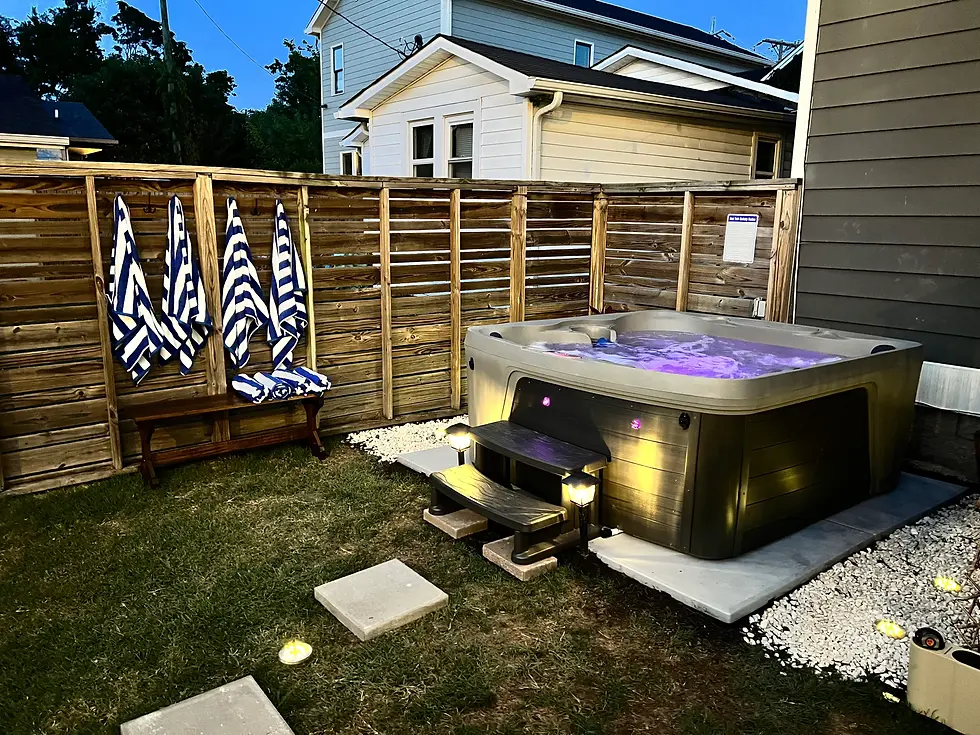
If you're still narrowing down your 2026 dates, Underwood Manor gives your group a private 7-person hot tub and backyard fire pit to unwind in no matter which season you land on, all just 5 minutes from downtown. Check availability and book direct here.
Written by Chase Gillmore, Owner at Underwood Manor
Content powered by inkSTR.co


Comments