Best Things To Do in Nashville TN in 2026: Local Guide

Updated: Apr 14
Nashville, Tennessee is one of the most activity-dense cities in the American South, and in 2026 it is more worth visiting than ever. From the free live music on Lower Broadway starting at 10 AM to the Country Music Hall of Fame and Museum requiring a full two hours to explore properly, the city rewards visitors who know where to look and skip the tourist traps that eat up half a day. For a curated overview of Things To Do Nashville, locals recommend starting with the free attractions before diving into the paid experiences.
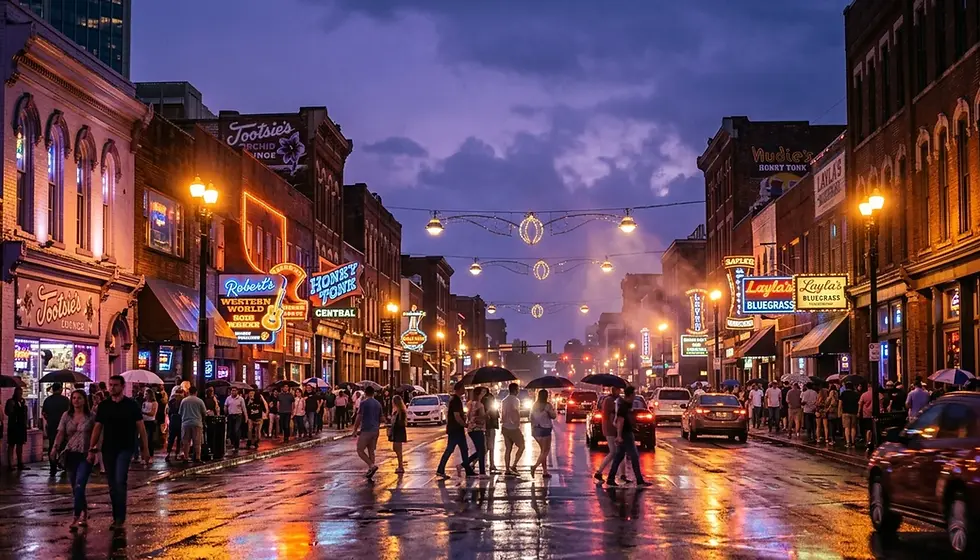
Lower Broadway honky tonks are open from 10 AM to 3 AM daily with no cover charge, offering live country music for 17 hours straight at venues like Tootsie's Orchid Lounge and Friends in Low Places.
The Grand Ole Opry holds performances Tuesday through Saturday at its 4,372-seat venue in the Opryland area, and the Ryman Auditorium offers self-guided tours of the original 1943 Opry home.
Five major Nashville attractions are completely free: Centennial Park, Bicentennial Capitol Mall State Park, the Tennessee State Museum, the Music City Walk of Fame, and the John Seigenthaler Pedestrian Bridge.
A realistic daily budget for Nashville runs roughly $80 to $150 per person, combining free parks and paid museum admissions ($14 to $18 for the Adventure Science Center) with a hot chicken lunch and Broadway nightlife.
Groups staying at Underwood Manor, located just 5 minutes from downtown, can walk from a day at the Parthenon to an evening in the speakeasy game room without needing a rideshare for either stop.
Spring 2026 is packed with events: Cheekwood in Bloom runs April 3 to 12, the Music City Food and Wine Festival fills Centennial Park April 24 to 26, and the Iroquois Steeplechase arrives at Percy Warner Park on May 9.
What Should I Not Miss in Nashville?
The non-negotiable Nashville experiences are Lower Broadway's live music, the Country Music Hall of Fame, the Ryman Auditorium, and at least one order of bone-fide Nashville hot chicken. Beyond those anchors, Centennial Park's full-scale Parthenon replica and the National Museum of African American Music round out a genuinely complete visit without requiring a single rideshare between them.
Start on Lower Broadway, the stretch of honky tonk bars between 1st and 5th Avenues. Honky Tonk Highway opens as early as 10 AM and the bands play until 3 AM with no cover charge at the door. Tootsie's Orchid Lounge, a purple-painted institution on the alley behind the Ryman, is worth a stop for its history alone. Friends in Low Places, Garth Brooks and Trisha Yearwood's three-level bar that cost $50 million to build, serves Trisha's family recipe breaded chicken tenders alongside a rooftop Oasis bar with Cumberland River sightlines. Casa Rosa, Miranda Lambert's bar two doors down, adds a third-floor rooftop balcony and a second-floor Mexican restaurant to the strip. For a full breakdown of the honky tonk strip, see our guide to the Best Nashville Bars On Broadway. Planning a Bachelorette Party Nashville trip? Broadway is the perfect starting point for a memorable night out. For even more bar options across the strip, check out the Top 8 Best Bars On Broadway Nashville For 2025 guide. For curated picks on 7 Best Bars On Broadway Nashville 2025, locals have a few favorites worth knowing beyond the obvious stops. For a lively night out beyond the main strip, our guide to the 7 Best Dive Bars Nashville 2026 covers the most character-filled spots in the city.
For museums, give the Country Music Hall of Fame and Museum at 222 Rep. John Lewis Way S a minimum of two hours. The collection includes Elvis's gold-plated car fitted with a TV and antenna, rhinestone stagewear, handwritten lyrics, and vintage instruments spanning nearly a century of American music. Add the RCA Studio B tour as a ticketed add-on: the studio is still a working recording space where Elvis cut 250 songs, and Roy Orbison, Patsy Cline, and Dolly Parton all recorded there. Our guide to the Country Music Hall of Fame tour covers what to expect inside.
Hot chicken is non-negotiable. Prince's Hot Chicken is the original, and Hattie B's is the most accessible for groups with multiple locations including one on 19th Avenue North a short drive from Centennial Park. Order the medium spice level on your first visit unless you have genuine heat tolerance. The chicken arrives on white bread with pickle chips, which is not a garnish but a structural component for managing the cayenne oil. For the full picture on Nashville's dining scene, our guide to the Best Restaurants And Dining In Nashville TN covers every neighborhood worth knowing.

What Is the Must-Do for One Day in Nashville?
A well-paced single day in Nashville should follow this sequence: morning at the Nashville Farmers Market (open daily from 8 AM, free parking), midday at the Country Music Hall of Fame and Museum, an afternoon walking the John Seigenthaler Pedestrian Bridge, and an evening on Lower Broadway. For a step-by-step plan, our ultimate Nashville 3-day itinerary expands this into a full weekend. You can also explore Your Perfect Weekend In Nashville Itinerary for a curated two-day plan.
The Farmers Market at 900 Rosa L. Parks Boulevard dates to the early 1800s and operates in two covered open-air sheds. Go before 10 AM on weekdays to avoid weekend crowds and pick up breakfast from one of the indoor market vendors before the city heats up. Adjacent to the market sits Bicentennial Capitol Mall State Park, an 11-acre free park with a 0.9-mile paved walking trail and a 2,000-seat amphitheater. The Tennessee State Museum at 1000 Rosa L. Parks Boulevard is directly next door, free, and open Tuesday through Saturday from 10 AM to 5 PM. Its 137,000 square feet include Dolly Parton stage costumes, Civil War battle flags, and prehistoric fossils.
After the museum, drive or rideshare to the Country Music Hall of Fame for the 11 AM opening window. Budget two hours minimum. The afternoon pedestrian bridge walk takes 30 to 45 minutes round trip. The Seigenthaler Bridge, originally built in 1909, spans 3,150 feet across the Cumberland River with a 15-foot bike lane and raised 10-foot walkways on each side. It is completely free and the views of downtown at golden hour are the best free photograph in the city.
End at Broadway by 7 PM, which is when bands are at full energy but before the Saturday-night crush arrives. Tuesday and Wednesday evenings are genuinely excellent: the music is the same quality, the crowd is half the size, and you can actually hold a conversation between songs. If your group is staying at Underwood Manor, the 7-minute drive to Broadway means you can retreat back to the Speakeasy Game Room whenever the strip gets too loud. Groups looking for a Speakeasy Game Room experience built into their rental will find it a standout feature for post-Broadway nights in.
What Are Nashville's Best Free Things To Do in 2026?
Nashville has more genuinely free, high-quality attractions than most American cities its size. The Tennessee State Museum, Centennial Park, Bicentennial Capitol Mall, the Music City Walk of Fame, and the John Seigenthaler Pedestrian Bridge cost nothing to visit and collectively represent a full day of activity without spending a dollar on admission. Our guide to 9 unforgettable things to do in Nashville covers both free and paid highlights. For even more inspiration, browse our Things To Do In Nashville resource hub.
Centennial Park at 2500 West End Ave covers 132 acres and contains a full-scale, full-height replica of the Athenian Parthenon housing a 42-foot gilded statue of Athena and two art galleries. The park also includes a sports complex, a dog park, walking trails, and a sunken garden. It is open from dawn to 11 PM daily at no charge. Underwood Manor sits less than a mile from Centennial Park's west entrance, making it a practical morning walk before the midday Broadway crowds build.
The Music City Walk of Fame on Demonbreun Street between 4th and 5th Avenues features stars for Keith Urban, Jack White, Jimi Hendrix, and Dolly Parton embedded in the sidewalk. It is always open, always free, and induction ceremonies are also free when they occur. Fannie Mae Dees Park at 2400 Blakemore Avenue is worth the detour for its mosaic sea serpent dragon created in 1980 by artist Pedro Silva with more than 1,000 local artists and volunteers. The park is open sunrise to 11 PM and costs nothing.
For budget-focused visitors, the Free Self-Guided Tour of Downtown Nashville from Free Tours By Foot covers 18 historical and legendary downtown locations and requires only a smartphone and comfortable shoes. You can also explore Nashville hidden gems locals recommend for lesser-known free spots beyond the standard tourist circuit. Our Hidden Nashville insider's secret guide uncovers 25 local experiences tourists rarely find. For a handy visual reference, the Nashville Tourist Attractions Map is the ultimate breakdown for planning your route. Looking for Nashville's hidden gems and attractions locals actually love? That guide goes even deeper on under-the-radar spots worth your time. For a broader look at Nashville Outdoor Activities, our complete guide to Music City's nature covers the best parks, trails, and green spaces in the area. Visitors who love the outdoors will also enjoy our guide to 8 Hidden Nashville Hiking Trails That Locals Love Plus Secret Photo Spots for trail options beyond the main parks.

What Is the Number One Tourist Attraction in Tennessee?
By visitor volume and cultural authority, the Grand Ole Opry in Nashville is Tennessee's most iconic attraction, though the Country Music Hall of Fame gives it a legitimate run for that title. The Opry's 4,372-seat venue in the Opryland area hosts live radio broadcasts Tuesday through Saturday, a format unchanged since 1927. It is the longest-running live radio program in American history.
Book Opry tickets at least two to three weeks in advance for weekend shows, particularly between April and October when Nashville's visitor volume peaks. Each show features multiple artists across two sets, so you see three to six performers per ticket rather than a single headliner. If the Opry is sold out, the Ryman Auditorium at 116 Rep. John Lewis Way S is an equally historic alternative. Built as a gospel tabernacle in the 1890s, the Ryman served as the Opry's original home from 1943 to 1974 and is designated a National Historic Landmark. Self-guided tours run daily; check the events calendar because the Ryman also hosts ballet, comedy, and concerts far beyond country music.
The Johnny Cash Museum on Broadway is small but legitimately great, and worth two hours despite its compact size. The memorabilia spans Cash's entire career from his Sun Records days through the American Recordings era, with personal items and handwritten notes alongside his stage costumes. It sits two blocks from the Ryman, making a natural morning pairing before Broadway opens for afternoon honky tonk sessions. Our guide to 7 downtown Nashville tours you should know includes both Ryman and Cash Museum visits in curated walking itineraries. For the full live music experience, check out our 9 Best Live Music Venues In Nashville guide. For music lovers who want to go deeper, our 7 Best Nashville Recording Studio Tours covers the essential studio experiences beyond RCA. Music fans planning their trip can also browse our 7 Best Nashville Music Tours For Your 2025 Itinerary for curated tour options across the city. For a live look at Nashville's Best Nashville Bars 2025 Top Honky Tonks Hot Spots, that guide covers the full honky tonk and bar scene alongside the music venues. Comedy lovers visiting the city can also explore Comedy Clubs in Nashville Tennessee for the best stand-up venues worth adding to your itinerary.
How Do You Get Around Nashville Without a Car?
Nashville is more navigable without a car than most visitors expect, but only in specific zones. Downtown, the Gulch, and Germantown are walkable between attractions. The Music City Circuit, a free bus route operated by WeGo Public Transit, runs through downtown and connects major visitor areas including the Farmers Market, downtown Broadway, and the Tennessee State Museum. For everything outside the core, rideshares run reliably but surge significantly during CMA Fest and major stadium events.
E-scooters and bike-share stations cluster downtown and in East Nashville, 12 South, and the Gulch. The John Seigenthaler Pedestrian Bridge is a practical cycling connection between downtown and East Nashville's restaurant district on Gallatin Avenue. For the Grand Ole Opry and Opryland area, a rideshare is the most practical option since that corridor is 8 miles from Lower Broadway with no direct transit link that visitors find convenient.
During major events like the 2026 CMA Fest, rideshare surge pricing around Nissan Stadium can triple the standard rate. Plan a post-show exit 20 to 30 minutes after a stadium show ends to avoid the surge peak. Street parking downtown runs $2 to $4 per hour, and surface lots within four blocks of Broadway typically charge $15 to $25 for an evening. The Nashville Farmers Market and Bicentennial Capitol Mall both offer free parking, which makes the museum corridor the most cost-effective zone to self-drive. For full details on getting from the airport to your accommodation, see our Nashville airport to downtown transport guide.
Groups based at Underwood Manor benefit from free driveway parking for two cars and easy street parking nearby, which matters when you are splitting costs across six to ten people. The Ryman Auditorium sits 2.1 miles from the property, about an 8-minute drive, which means a self-driven evening show is genuinely practical compared to paying for surge rideshares from a downtown hotel. Learn more about how far Underwood Manor is from Broadway and why it matters for groups. Our guide on Nashville Airbnb With Free Parking explains why this detail is critical for group trips. Groups deciding between a central property and a nearby rental will also find our guide on Is It Better To Stay Downtown Or Nearby In Nashville For Groups useful for making that call. For more on Where To Stay Nashville, our category hub covers every type of accommodation from downtown hotels to private group rentals. For Nashville Getaways that pair convenient access with private amenities, properties near the West End corridor offer the best balance of location and value.
What Is Nashville's Food Scene Actually Like in 2026?
Nashville's dining scene in 2026 is no longer just hot chicken and Southern BBQ, though both remain essential. The city has developed a serious fine dining corridor in East Nashville and 12 South, a food hall culture centered around Assembly Food Hall on Broadway, and a brunch scene strong enough to justify planning your Saturday morning around a restaurant reservation. For group dining options, our guide to the best Nashville restaurants for groups covers reservations, pricing, and capacity. You can also browse curated picks in our Nashville Restaurants Groups category.
For hot chicken, the debate between Prince's and Hattie B's is settled by your priorities. Prince's is the original recipe, cash-only at some locations, and the wait can stretch to 45 minutes on weekend afternoons. Hattie B's takes cards, has multiple Nashville locations, and moves faster, making it the practical call for groups. Both serve the dish on white bread with pickles, and both offer heat levels ranging from Southern (no heat) through Shut the Cluck Up. Shut the Cluck Up is a statement, not a recommendation.
Peninsula in East Nashville won a James Beard Award for its Iberian Peninsula-inspired cuisine and notable gin and tonic menu. Reservations are essential and book up weeks in advance on weekends. Turkey and the Wolf in 12 South built its reputation on a collard greens melt that regularly appears on lists of best sandwiches in the country. Pancake Pantry on 21st Avenue South opens at 6 AM and routinely has a line by 7:30 AM on weekends. Arrive before 7 AM or plan for a 30 to 45 minute wait outside. Puckett's Grocery and Restaurant at 500 Church Street is a more reliable option for groups needing to seat more than six people, and it occasionally features live acoustic music during dinner service. For outdoor dining options, check out the best Nashville outdoor restaurants guide. For trusted local recommendations on new spots, see our Nashville Restaurants Worth The Hype locals recommend. Couples looking for a romantic meal can browse 7 Top Resources For Finding Romantic Restaurants In Nashville for the best date-night dining picks. Looking for the best brunch spots? Our guide to the Best Nashville TN Brunch Spots covers every neighborhood worth knowing. For a neighborhood deep dive, our guide to the 7 Best Germantown Nashville Restaurants is the definitive resource for that historic district's dining scene. Groups wanting to find the best bottomless brunch deals can also check out our guide to Bottomless Mimosa Brunch Nashville for the top spots offering the best value.
Assembly Food Hall on Fifth Avenue North is the best option when your group cannot agree on one restaurant. Multiple Nashville operators occupy the space and the seating area handles large groups without a reservation. The Frist Art Museum at 919 Broadway, housed in a 1930s Art Deco former post office building, has a cafe that serves as a quieter midday alternative to the Broadway dining corridor.
What Neighborhoods Should You Actually Spend Time In?
Nashville's best neighborhoods for visitors in 2026 are East Nashville for independent restaurants and bars, 12 South for boutique shopping and brunch, Germantown for historic architecture and craft cocktails, and the Gulch for walkable dining and the Frist Art Museum. Lower Broadway is tourist-dense by design but still earns its place on the itinerary for the live music alone. For a deeper look, our guide to the top cool neighborhoods in Nashville you must explore covers each district in detail.
East Nashville, centered on Gallatin Avenue and Five Points, is where Nashville residents actually spend their weekends. The neighborhood has Victorian-era homes with wrap-around porches alongside converted industrial spaces housing restaurants and record shops. Five Points Pizza on Woodland Street is a neighborhood staple. The Station Inn, a small listening room in the Gulch neighborhood proper, is one of the most respected bluegrass venues in the country and holds fewer than 200 people. It is not on Broadway, it does not have neon signs, and it is better than most things on Broadway specifically because of both those facts. For the full live music picture beyond the tourist strip, see our Nashville live music venues guide covering 15 local favorites beyond Broadway. If you enjoy live music Nashville has to offer, our 10 Live Music Nashville You Should Know guide is essential reading.
Germantown, north of downtown along 5th Avenue N, has some of the oldest residential architecture in Nashville, including brick rowhouses from the 1870s and 1880s. The neighborhood's restaurant density along Taylor Street is walkable from the Nashville Farmers Market. The Gulch, west of downtown off Demonbreun Street, is where the Frist Art Museum sits and where the city's more recent condo and dining development concentrated. White Limozeen, the rooftop bar atop the Graduate Nashville hotel, has a retro-pink aesthetic that makes it one of the most photographed spots in the city outside of the Broadway honky tonks. For rooftop bar options across the city, see our list of top rooftop bar Nashville spots. Couples visiting the city can also explore Top 8 Romantic Things To Do In Nashville Tennessee For Couples for date-worthy experiences in these neighborhoods. For a comprehensive guide to Rooftop Bars Nashville, our 2026 insider guide covers every top spot worth visiting. For Nashville Hot Spots that go beyond the standard tourist trail, East Nashville and the Gulch consistently rank at the top of local recommendations. Shoppers visiting the city will find our guide to Shopping in Green Hills Nashville a useful resource for boutiques and designer stores beyond the Broadway corridor.
Most visitors staying near Underwood Manor find that East Nashville and Germantown are actually shorter drives from the property than the Broadway tourist corridor on busy Friday nights, a detail worth knowing when you are planning a relaxed dinner before hitting Lower Broadway.
What Is the 3-Foot Rule in Nashville?
The 3-foot rule in Nashville refers to a Tennessee state law requiring drivers to maintain at least 3 feet of clearance when passing cyclists on roads. It is part of Tennessee's broader bicycle safety regulations and applies citywide in Nashville. Visitors cycling along the John Seigenthaler Bridge bike lane or renting e-scooters in downtown should be aware that Tennessee law protects cyclists on road shoulders and shared lanes.
For practical visitor purposes, this rule matters most on the streets connecting Centennial Park to Vanderbilt University's campus along West End Avenue, where cyclists and pedestrians mix with regular traffic. The 15-foot bike lane on the Seigenthaler Bridge is separated from pedestrians and does not interact with vehicle traffic, making it the safest cycling route for visitors who want a river crossing without navigating Nashville's downtown grid.
When Is the Best Time To Visit Nashville in 2026?
Spring, specifically April through early June, is the best overall window for Nashville in 2026. Weather is mild, outdoor events are abundant, and the city's parks hit their peak. Fall, from late September through November, is a close second for visitors who prefer smaller crowds and lower accommodation rates. Summer brings CMA Fest in June and significant heat; winter is quiet but affordable. For a detailed seasonal breakdown, see our guide on the best time to visit Nashville for live music, weather, and fewer crowds. Our Best Time Of Year To Visit Nashville TN guide also breaks down each season in detail. For additional seasonal guidance, our Best Time Of Year To Visit Nashville Tennessee post covers what each season offers in depth.
Spring 2026 has an unusually strong events calendar. Cheekwood Estate and Gardens' annual Cheekwood in Bloom runs April 3 through 12, with the Tennessee Tulip Festival at Lucky Ladd Farms running the same dates. Nashville Earth Day fills Centennial Park on April 18. The Music City Food and Wine Festival takes over Centennial Park April 24 through 26. The Iroquois Steeplechase, one of the oldest continuously run steeplechase races in America, returns to Percy Warner Park on May 9. For a full rundown of what's happening, see our top spring 2026 events and activities in Nashville for groups. For visitors planning around the season, our Top 9 Activities For Your Spring Break In Nashville Tennessee covers the essential spring experiences in detail.
The 2026 CMA Fest, held annually in June at Nissan Stadium, includes nightly stadium concerts and four-day access to Fan Fair X at the Music City Center. Stadium show tickets sell out months in advance, so booking accommodations before tickets go on sale is the practical move. Groups attending CMA Fest benefit from properties with private outdoor space: the after-show hours between midnight and 3 AM are when the real conversations happen, and having a fire pit and hot tub at home beats competing for seats at an overcrowded Broadway bar. Read the ultimate guide to CMA Fest 2026 for tickets, lineup details, and where to stay. You can also browse Rentals Near CMA Fest Nashville to lock in your accommodations early. The Ultimate Guide To Nashville CMA Fest 2026 offers additional detail on the festival experience for first-time attendees. For music festival fans, our guide to the Cma Fest 2025 Your Complete Nashville Music Festival Guide covers everything from tickets to the best spots to stay during the event.
Summer temperatures in Nashville regularly reach the upper 80s to low 90s Fahrenheit with high humidity. Outdoor activities like Percy Warner Park's hiking trails (6.3 miles from Underwood Manor, about 15 minutes) are best scheduled before 10 AM in July and August. Fall brings cooler temperatures, the Nashville Symphony's fall season at Schermerhorn Symphony Center, and significantly less competition for restaurant reservations. If you are planning around new years eve Nashville, book well in advance as accommodations fill months ahead. Our guide to Your Ultimate Guide To Nashville For 4th Of July covers summer holiday celebrations in the city. For those planning around the holiday weekend, our July 4th Nashville TN fireworks viewing spots and where to stay guide covers everything you need. For visitors planning a holiday celebration, our guide to Top 10 Ways To Enjoy Christmas In Nashville TN covers the best seasonal events and activities the city has to offer.
How Should You Budget a Nashville Trip?
A realistic Nashville daily budget for 2026 runs from $80 to $150 per person per day, excluding accommodation. Budget-focused visitors can spend under $50 by combining free attractions with one paid meal. A fully packed day hitting the Country Music Hall of Fame, a hot chicken lunch, and evening Broadway honky tonks lands closer to $100 per person with drinks.
Experience | Cost Per Person | Notes |
Lower Broadway live music | Free (no cover) | Open 10 AM to 3 AM daily |
Tennessee State Museum | Free | Tue-Sat 10 AM to 5 PM, Sun 1-5 PM |
Centennial Park / Parthenon | Free (park); gallery admission separate | Open dawn to 11 PM |
Country Music Hall of Fame | General admission (check current rates) | Add RCA Studio B for an upgrade fee |
Adventure Science Center | $14 ages 2-12 / $18 adults | 175+ exhibits, Sudekum Planetarium |
Grand Ole Opry tickets | Varies by show and seat | Book 2-3 weeks ahead for weekends |
Hot chicken lunch (Hattie B's) | $12-18 | Expect a wait on weekend afternoons |
Arrington Vineyards day trip | Tasting fees plus travel | 25 miles from Nashville; weekend live music in summer |
Group stays cut per-person accommodation costs significantly. For a group of eight or ten travelers, a private rental like Underwood Manor typically runs 30 to 40 percent less per person than booking equivalent hotel rooms, and includes amenities like a full kitchen for group breakfasts and a hot tub for post-Broadway recovery. The unlimited Nespresso setup alone saves a group that drinks four rounds of coffee shop drinks per day a meaningful amount over a four-night stay. To compare options, see our guide to the best places to stay in Nashville for large groups, ranked and compared. For more on what to look for in a group rental, see our Best Vacation Rentals Nashville resource. Groups wanting to understand all available amenities can also read our Nashville Airbnb Amenities That Actually Matter For Groups guide. Groups looking for a Nashville Vacation Rental With Hot Tub will find that amenity especially popular for post-Broadway wind-down sessions. Those searching for a Vacation Rental With Game Room in Nashville will find that combination particularly popular for groups who want built-in entertainment between outings. Groups who want a premium outdoor amenity should also browse our guide to Nashville Airbnb With A Hot Tub Near Nashville Top Picks For Groups for the best options available.
Day trips worth the added cost: Arrington Vineyards, 25 miles south of Nashville, features weekend live music in summer and is known for its frosé. Jack Daniel's Distillery in Lynchburg is approximately 75 miles from Nashville and typically requires a full day including travel. Franklin, Tennessee, about 20 miles south, has a preserved Civil War battlefield, an independent restaurant scene on Main Street, and a slower pace that makes it a strong counterpart to Nashville's energy.
What Family-Friendly Activities Does Nashville Offer?
Nashville has a strong family-friendly activity base anchored by the Adventure Science Center at 800 Fort Negley Blvd, Centennial Park, and the Tennessee State Museum, all of which are either free or under $20 per person. The Adventure Science Center covers 44,000 square feet with 175 exhibits including a full-motion simulator, a plasma globe, a tsunami simulator, and the 63-foot Sudekum Planetarium dome theater.
Nashville Zoo at 3777 Nolensville Pike is home to nearly 3,000 animals and works well as a half-day activity for younger visitors. Fannie Mae Dees Park on Blakemore Avenue, with its famous 1980 mosaic sea serpent dragon, is free, and the dragon mosaic itself is a legitimate piece of public art that children and adults both find surprising. The Nashville Flea Market near The Fairgrounds draws vendors from more than 30 states and welcomes nearly half a million visitors annually; it is held the fourth weekend of every month (third weekend in December) with free admission. For a comprehensive list, see our guide to family activities in Nashville covering 20 fun things to do with kids. Our Top 9 Things To Do In Nashville With Family guide is another helpful resource for planning a kid-friendly trip. Families planning a reunion can also check out the 9 Fresh Family Reunion Ideas For An Unforgettable Trip for group activity inspiration. For larger family groups, our guide to Things To Do In Nashville For Large Groups covers activities that work well when you are coordinating ten or more people. Families looking for a Nashville group rental with plenty of room can also browse our guide to Top Nashville Vacation Rentals For Large Groups 2025 for the best options available.
For Nashville family fun that goes beyond the obvious museum circuit, Bicentennial Capitol Mall State Park's 0.9-mile walking trail has historical markers at every turn, explaining Tennessee's history in digestible segments that work for school-age children. The trail connects directly to the Farmers Market, which means you can end the walk with lunch without needing a car.
Frequently Asked Questions About Things To Do in Nashville, TN
How far is Broadway from neighborhoods like East Nashville and Germantown?
Lower Broadway is approximately 1.5 to 2 miles from Germantown and 2 to 3 miles from the Five Points area of East Nashville, making both neighborhoods a 5 to 10 minute drive or a 20 to 30 minute walk. Groups staying near West End and Centennial Park, like guests at Underwood Manor, are typically 7 to 9 minutes from Broadway by car depending on traffic.
Do Nashville honky tonks on Broadway have a cover charge?
No. The honky tonk bars on Lower Broadway, including Tootsie's Orchid Lounge, Friends in Low Places, Casa Rosa, and Wildhorse Saloon, charge no cover and are open from approximately 10 AM to 3 AM daily. Musicians perform on rotation throughout the day and evening, and the only cost is food and drinks, which run $7 to $14 per drink depending on venue and cocktail.
Is Nashville walkable, or do you need a car?
The Broadway and downtown core is walkable between major attractions including the Ryman Auditorium, Johnny Cash Museum, Country Music Hall of Fame, and the pedestrian bridge. East Nashville, Germantown, and 12 South each require a short drive or rideshare from downtown. The Opryland area, where the Grand Ole Opry sits, is 8 miles from Lower Broadway and requires either a rideshare or a car.
What is the best neighborhood to stay in for groups visiting Nashville?
For groups prioritizing proximity to Broadway with private amenities, the West End and Midtown neighborhoods offer the best balance: typically 5 to 10 minutes from Broadway by car, less crowded than downtown hotels, and where most private group rental homes are concentrated. This corridor puts visitors within reach of Centennial Park, Vanderbilt's campus, and the Broadway entertainment district without paying downtown hotel premiums. See our full breakdown of 7 best areas to stay in Nashville for a neighborhood-by-neighborhood comparison.
How much should a group budget for a Nashville bachelorette or bachelor weekend?
A four-night Nashville group weekend typically costs $200 to $400 per person in total when splitting private rental accommodation, covering activities, meals, and Broadway nightlife. Free attractions like the Tennessee State Museum and Lower Broadway's no-cover music stretch the entertainment budget considerably. CMA Fest weekend and holiday weekends push accommodation costs higher, so booking those dates 3 to 4 months in advance is advisable. For a detailed cost breakdown, read our guide on how much a Nashville bachelorette party costs. You can also browse our Nashville Bachelor Party Activities category for more planning ideas.
What is the 3-foot rule in Nashville, Tennessee?
Tennessee's 3-foot rule is a state traffic law requiring drivers to give cyclists at least 3 feet of clearance when passing on any road. The law applies throughout Nashville and is most relevant for visitors using e-scooters or renting bicycles on shared city streets. The John Seigenthaler Pedestrian Bridge has a dedicated 15-foot bike lane separated from vehicle traffic, making it the safest cycling route across the Cumberland River for visitors unfamiliar with Nashville's road network.
What are the best free things to do in Nashville in 2026?
Nashville's best free attractions in 2026 include Centennial Park and the Parthenon exterior, Bicentennial Capitol Mall State Park (0.9-mile historical walking trail), the Tennessee State Museum (137,000 square feet, free Tuesday through Sunday), the Music City Walk of Fame on Demonbreun Street, the John Seigenthaler Pedestrian Bridge, Fannie Mae Dees Park and its mosaic sea serpent, the Nashville Farmers Market, and all live music on Lower Broadway, which runs from 10 AM to 3 AM with no cover charge.
When should I visit Nashville to avoid the biggest crowds?
Weekday visits from September through November offer the best combination of mild weather and smaller crowds. CMA Fest in June and New Year's Eve weekend produce the heaviest visitor volumes and highest accommodation rates. For spring events like Cheekwood in Bloom or the Music City Food and Wine Festival, visiting on weekday mornings rather than weekend afternoons cuts wait times at popular attractions by 30 to 60 minutes depending on the venue.
Plan Your Nashville Trip: Final Recommendations
The things to do in Nashville, TN in 2026 range from genuinely free (the Tennessee State Museum, the Parthenon, 17 hours of daily live Broadway music) to worth every dollar (the Country Music Hall of Fame with RCA Studio B, the Grand Ole Opry on a Friday night, Peninsula in East Nashville if you plan ahead). The city's strongest suit is density: you can cover world-class music, architecture, art, and food within a relatively compact geographic footprint, which means less time commuting between experiences and more time actually having them.
Skip the tourist trap of Broadway lunch. The food is overpriced and the service is stretched thin by noon crowds. Eat lunch in Germantown, 12 South, or East Nashville, and come to Broadway at 7 PM when the bands are firing and the strip has settled into its natural rhythm. Book Opry and Ryman tickets before you leave home. Arrive at Pancake Pantry before 7 AM on Saturday. Order the medium hot chicken first. For a complete planning resource, our planning a trip to Nashville ultimate guide covers logistics, budgeting, and itinerary building in one place. Groups planning a Nashville Birthday Weekend will find it especially useful for organizing activities across multiple days. Our Nashville TN Travel Guide is another comprehensive starting point for first-time visitors. For those planning a weekend getaway to Nashville TN, our 48-hour guide helps you make the most of a short trip. For Nashville Tips Tricks that save time and money across every part of your visit, that category hub is one of the most practical resources on the site. For a broader look at Things To Do In Nashville Tn, that guide covers everything from Broadway to the city's best-kept secrets.
For Nashville trip planning that goes beyond the standard itinerary, the free attractions corridor from the Farmers Market through Bicentennial Mall to the Tennessee State Museum is genuinely underutilized by first-time visitors and covers a full morning without spending anything. Nashville's spring 2026 events calendar is the strongest it has been in years, making an April or early May visit particularly compelling. Groups planning a Nashville Bachelorette Party will find spring especially rewarding, with outdoor events and ideal weather throughout the visit. For bachelorette trip logistics, our Top Bachelorette Ideas In Nashville For An Unforgettable Trip is the most comprehensive starting point for planning your crew's itinerary. For the complete 2026 resource, our Nashville Bachelorette Party The Only Guide You Need In 2026 covers every detail from accommodations to activities.

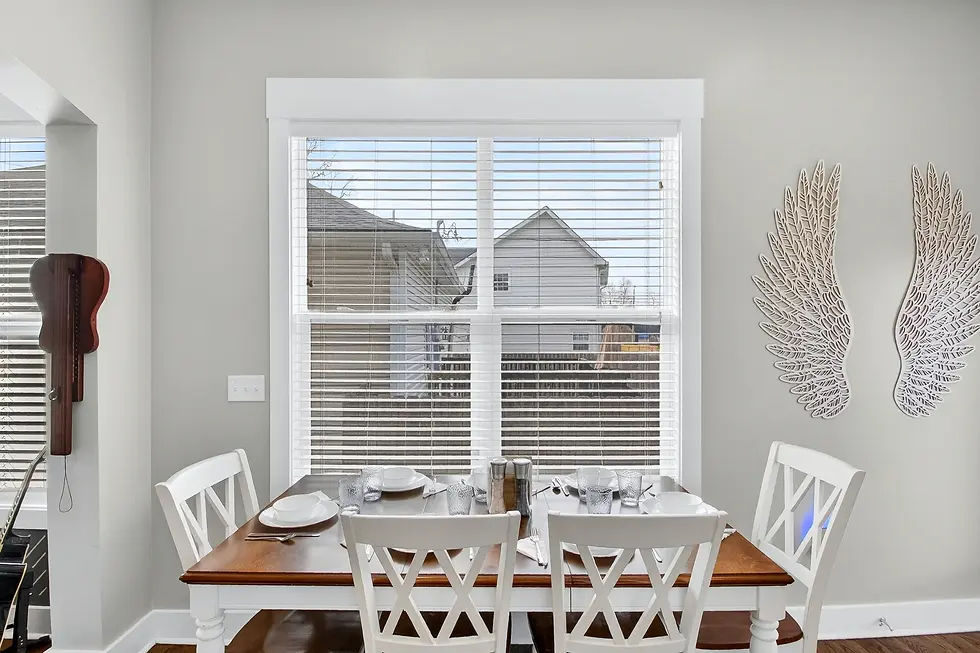
After a full day on Broadway or an evening at the Opry, Underwood Manor puts your group 5 minutes from downtown in a rustic modern farmhouse with a 7-person hot tub, a Speakeasy Game Room with an 8-foot pool table, and a smokeless fire pit under bistro lights. The Space is designed for groups who want the best of Nashville inside and out. It is the kind of place where the after-party is as good as the night out. Check availability and book your Nashville stay here.


Comments